

Begin with a moment, not a device.
Think about arriving home, hosting dinner or settling down for the night. Decide what the lighting, curtains and temperature should do together. A clear outcome makes device selection simpler and avoids unnecessary complexity.
Keep the familiar things familiar.
Good home automation should not make a light switch difficult to use. Plan physical controls, manual overrides and clear scene labels for family members, guests and staff. Ask what happens after a power interruption.
Check the site before choosing hardware.
In Pakistan, existing switchbox wiring, neutral availability, inverter AC interfaces and UPS or solar circuits can all affect the design. A protocol label is not a compatibility guarantee. Confirm the exact devices and electrical loads first.
Start with one considered room.
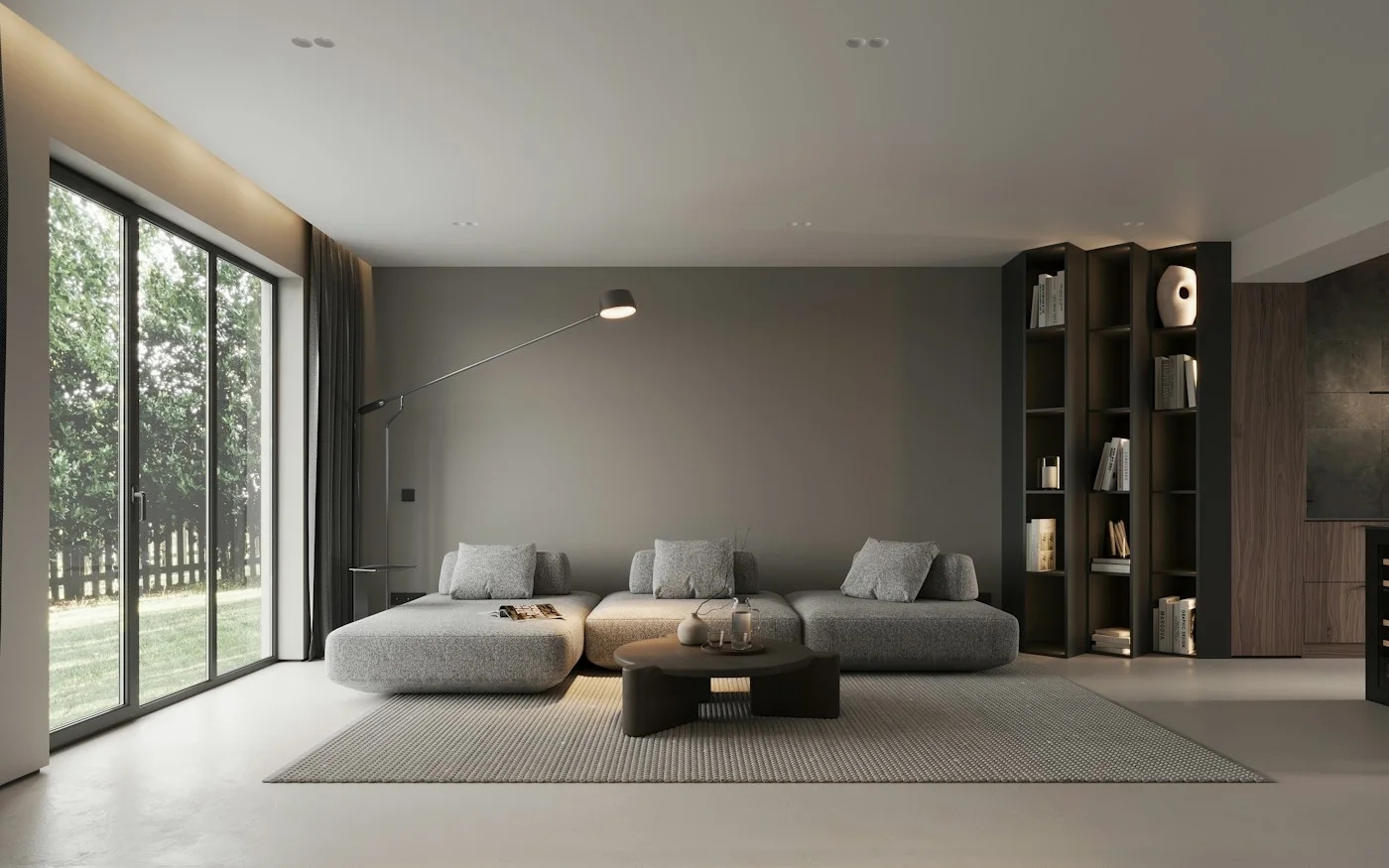
A living room or bedroom can be a useful first step. Add lighting and climate control, then consider curtains and presence sensing if they solve a real need. Our interactive home explains the purpose, dependencies and illustrative energy effect of each selection.
Keep exploring.
- U.S. Department of Energy — Thermostats
- U.S. Department of Energy — Lighting controls
- NEPRA — Pakistan’s electricity regulator
For model-specific dependencies, consult the selected product’s technical documentation. Our savings methodology explains the website’s illustrative assumptions.